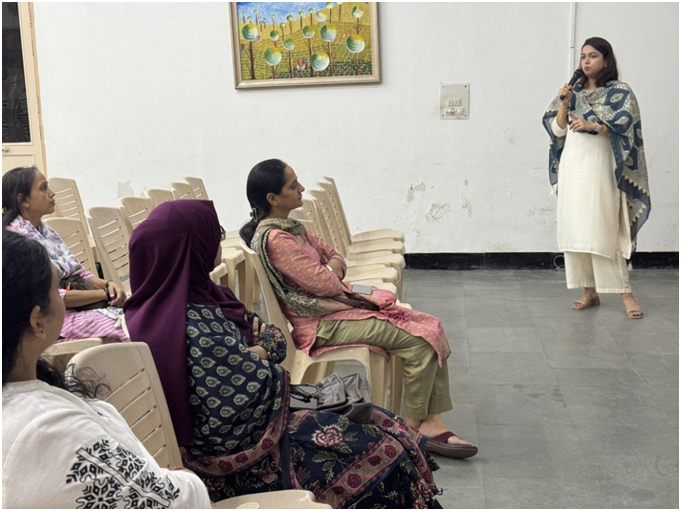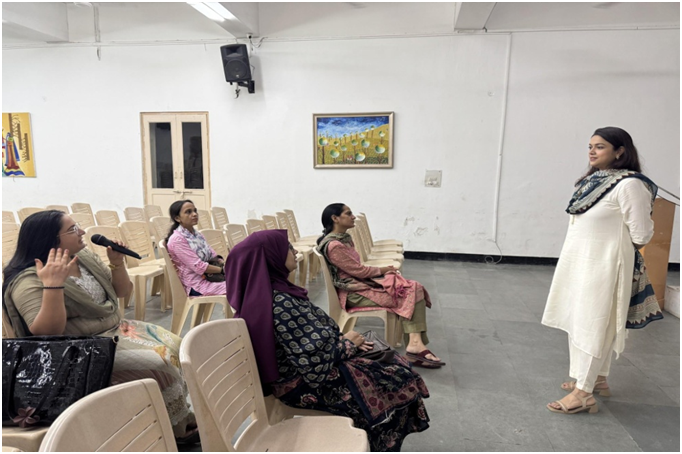
In alignment with the CBSE–AIIMS MATE (Mind Activation Through Education) Programme, Laxman Public School undertook a comprehensive, age-appropriate mental health intervention for students of Grades VI, VII and VIII during the academic session 2026-27. The pilot phase of the programme was successfully completed during the 2025–26 academic session, and the programme has now been implemented across most schools at full capacity. The programme is thoughtfully designed to address the evolving emotional, psychological and social needs of adolescents, while simultaneously empowering parents to become informed and responsive stakeholders in their children’s mental well-being.
The workshops are structured as a progressive series, ensuring continuity, depth and reinforcement of learning. Each session blended awareness-building with experiential learning, enabling students to reflect, relate and internalise key concepts essential for healthy development in today’s complex academic, social and digital landscape.
Objectives of the Programme
The primary objectives of the CBSE–AIIMS MATE Programme were to:
- Promote mental health literacy and emotional awareness among middle school students
- Strengthen self-esteem, empathy, resilience and interpersonal skills
- Encourage adoption of healthy lifestyle practices for optimal mind–body balance
- Foster responsible digital behaviour and informed decision-making
- Equip parents with insights and strategies to support adolescent mental health at home
DETAILS OF WORKSHOPS CONDUCTED
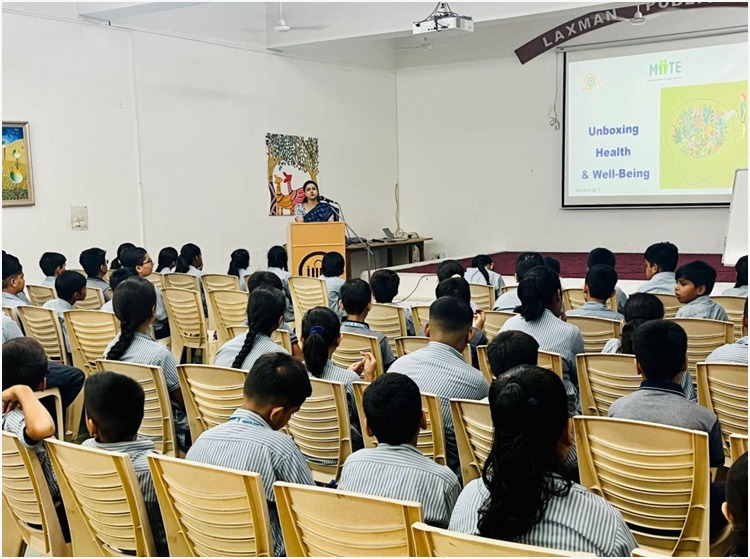
Workshop 1: Unboxing Health and Well-being
Grades VI, VII &VIII | 25, 27 and 31st August 2026
Overview
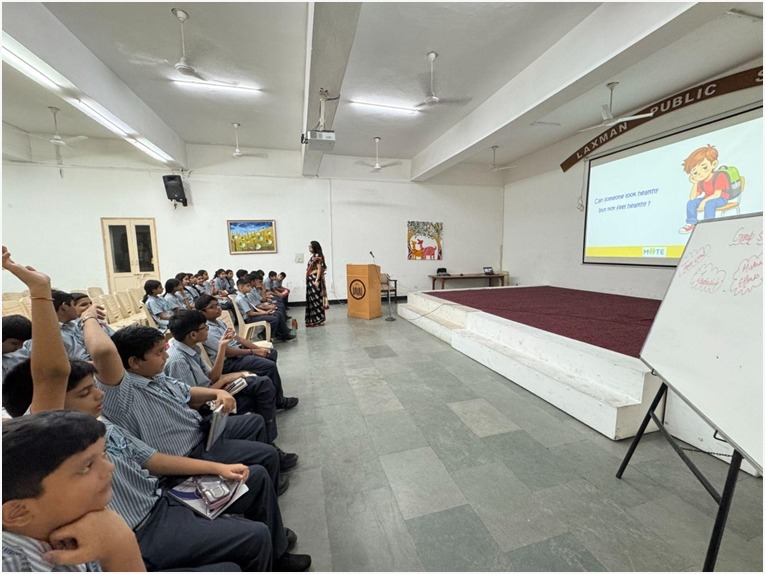
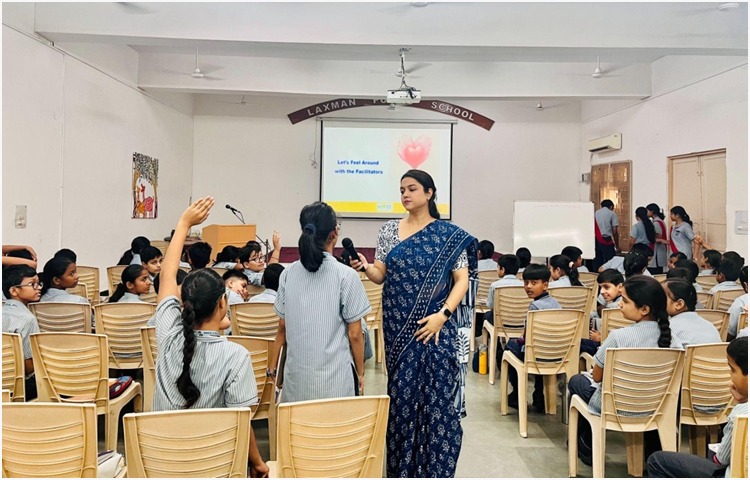
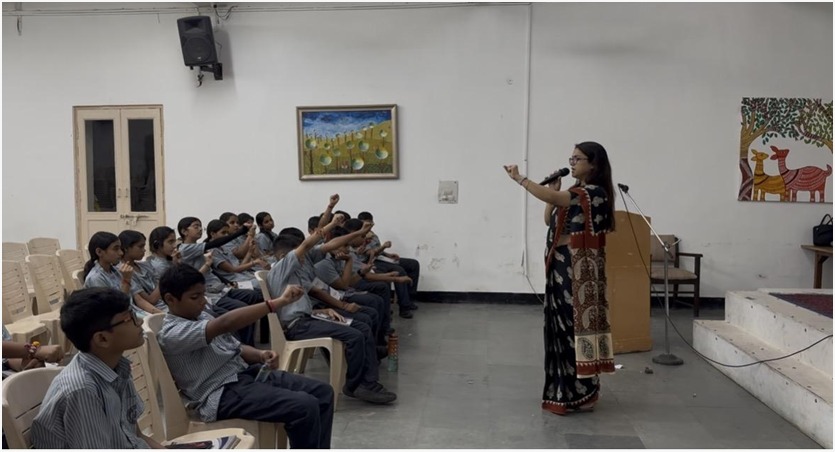
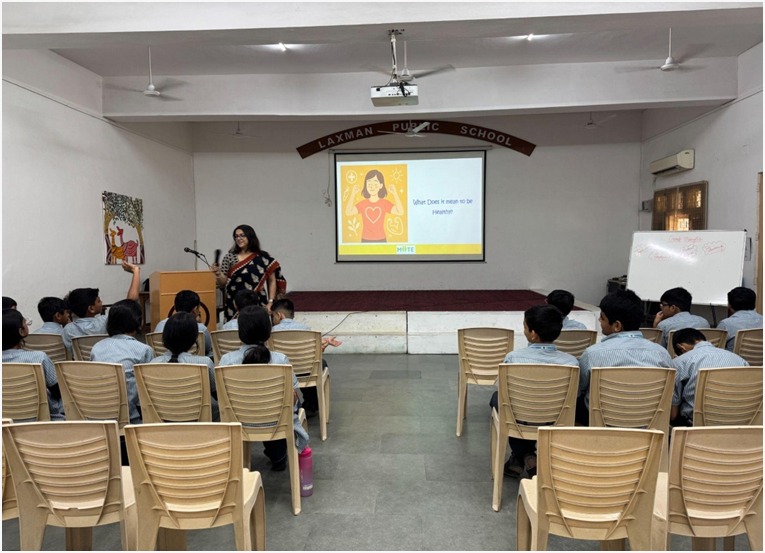
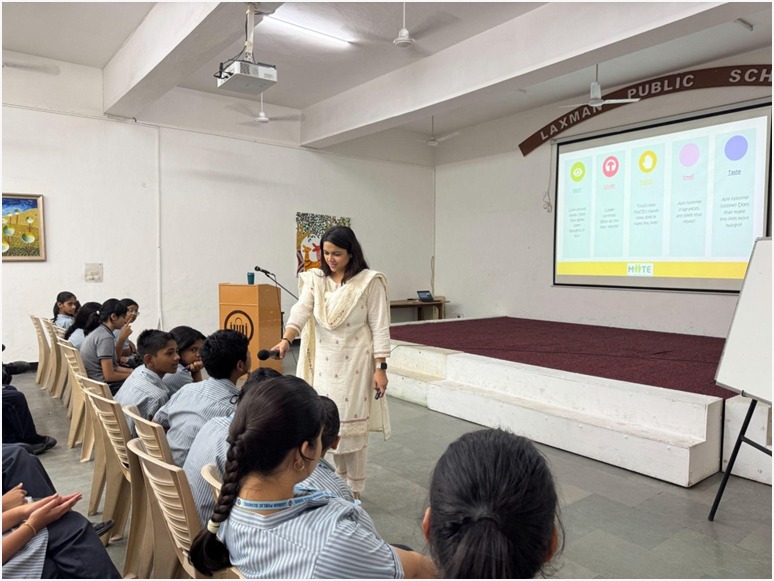
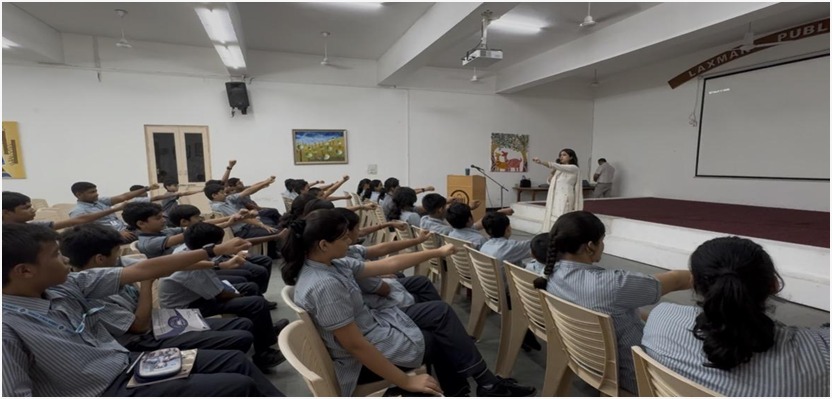
The introductory workshop served as the foundation for the MATE programme, introducing students to a broader and more holistic understanding of health and well-being. The session moved beyond the conventional notion of physical fitness and highlighted the interconnected nature of physical, emotional, social and mental well-being. Students were encouraged to recognise that everyday choices, emotional experiences, relationships and coping strategies collectively influence their overall health.
Key Themes
- Understanding holistic health and well-being and its various dimensions
- Developing awareness of self-care and healthy lifestyle practices
- Recognising emotions, emotional needs and early signs of stress
- Exploring the relationship between thoughts, feelings, behaviours and well-being
- Identifying everyday habits and routines that contribute to or affect mental and physical health
- Encouraging students to take personal responsibility for their well-being and make mindful choices
Methodology
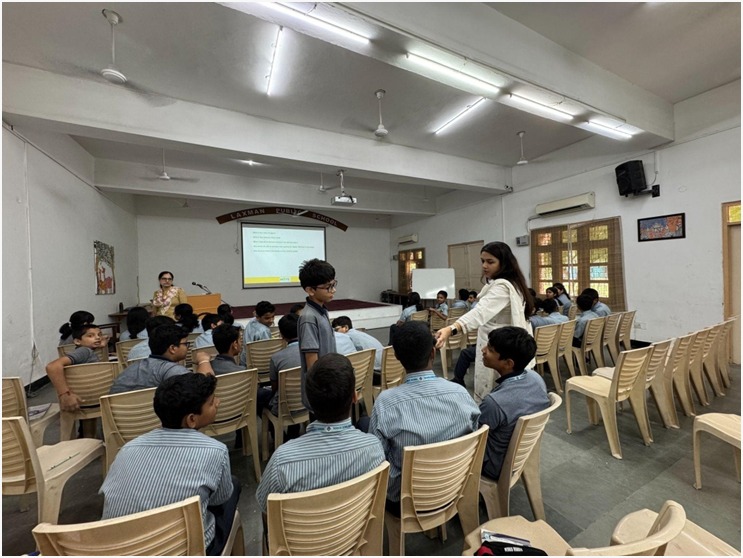
The workshop followed an interactive and student-centred approach. Guided discussions, reflection prompts, relatable real-life examples, questioning techniques and structured classroom conversations were used to encourage active participation. Students were provided opportunities to connect the concepts discussed with their own experiences, routines and perspectives, making the session relevant and meaningful.
Outcome
The session helped students develop a more comprehensive understanding of health and well-being and recognise the importance of maintaining balance across different dimensions of wellness. Students demonstrated greater awareness of emotional health, stress signals and personal well-being habits. They also showed increased openness to expressing and articulating their feelings, identifying potential stressors, reflecting on their responses and recognising areas where positive changes could support their overall well-being.
The workshop successfully established a common understanding of wellness and created a strong foundation for the subsequent components of the MATE programme.
Parent Workshop:
Workshop 1: Your Home Shapes Your Brain
Parents of Grade VI | 7th September 2026
Overview
The Grade 6 Parent Workshop, themed “Your Home Shapes Your Brain,” focused on helping parents understand how the home environment, everyday interactions and parental behaviour influence a child’s emotional, social and psychological development. The session adopted a highly interactive, discussion-based approach, encouraging parents to reflect on their own behaviours and the experiences their children encounter at home.
The workshop began with the MATE 5 Breathing exercise, which helped parents pause, regulate their attention and become more present and engaged in the session. The discussion then opened with a reflective question: “What is one thing your child has learned simply by observing you?” This provided a natural entry point into the concept of observational learning and the importance of parents serving as positive role models.
The session further explored the adolescent years, highlighting the developmental changes and challenges children may experience during this stage. Using the Sensory Model of Health, parents were encouraged to consider what their children see, hear, taste, smell and feel when they return home, and how these everyday sensory experiences contribute to the emotional climate of the home.