CBSE–AIIMS MATE PROGRAMME (2025–26)
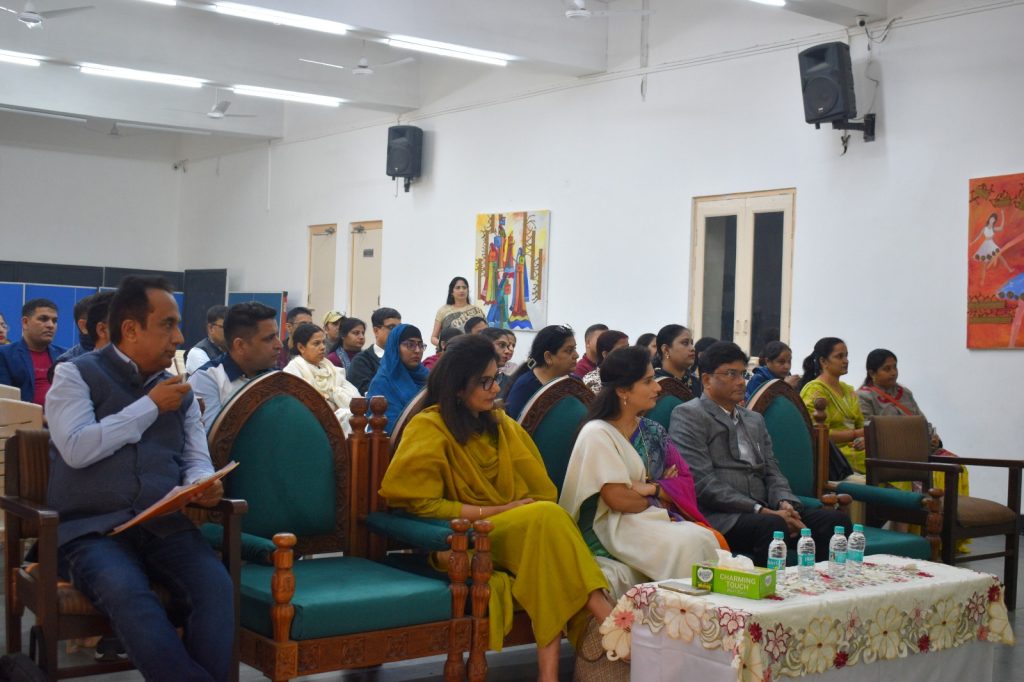
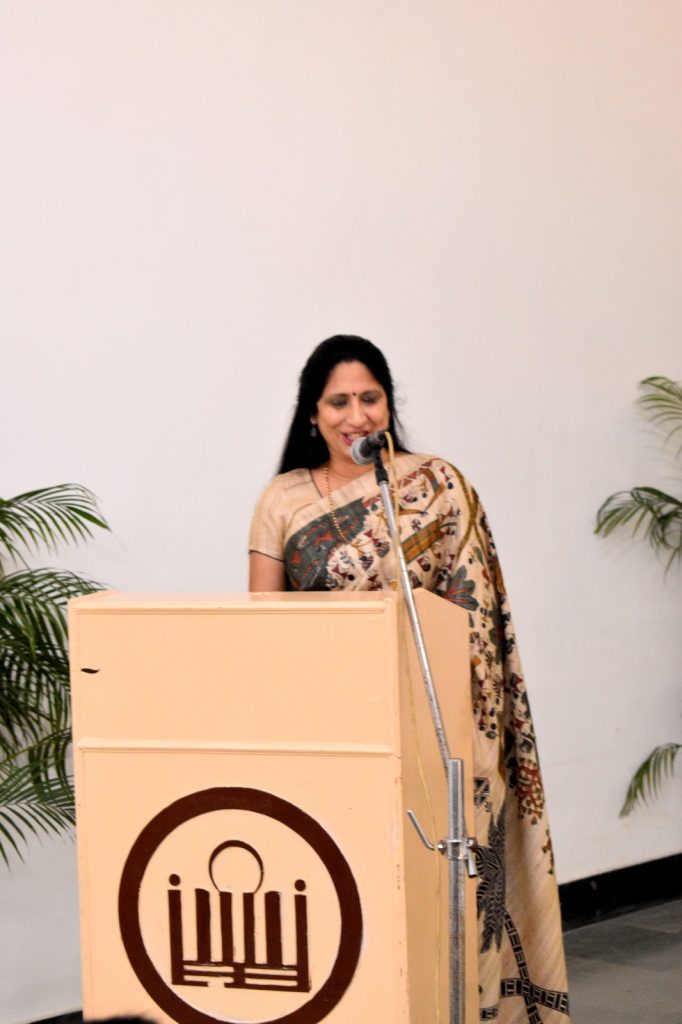
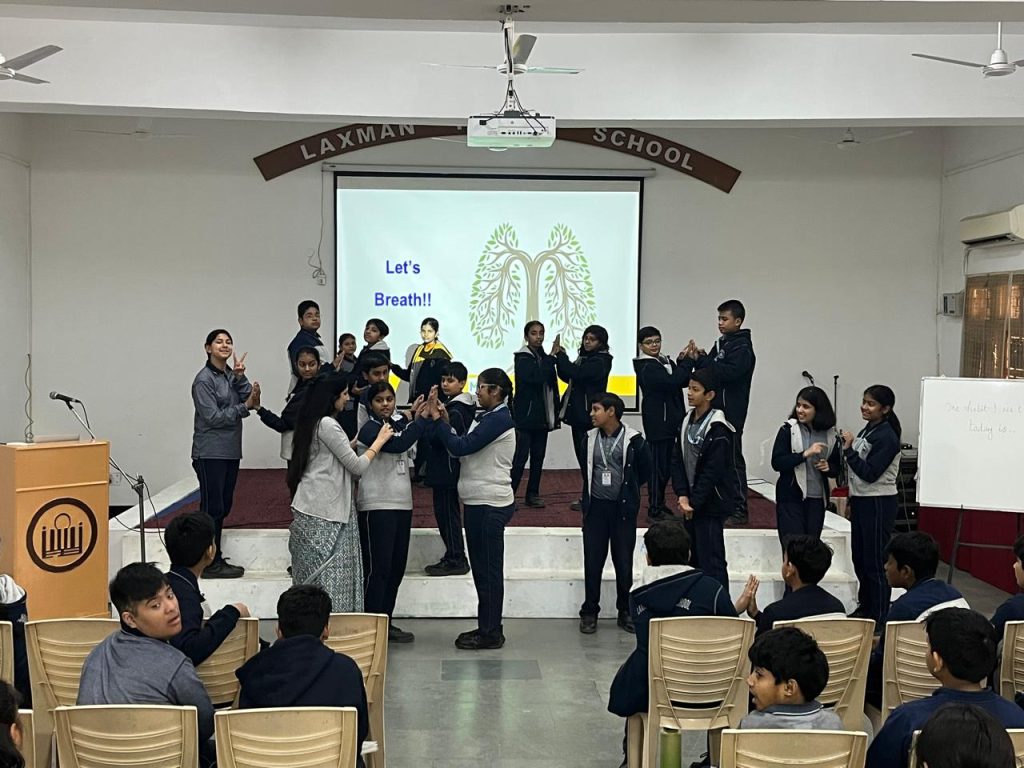
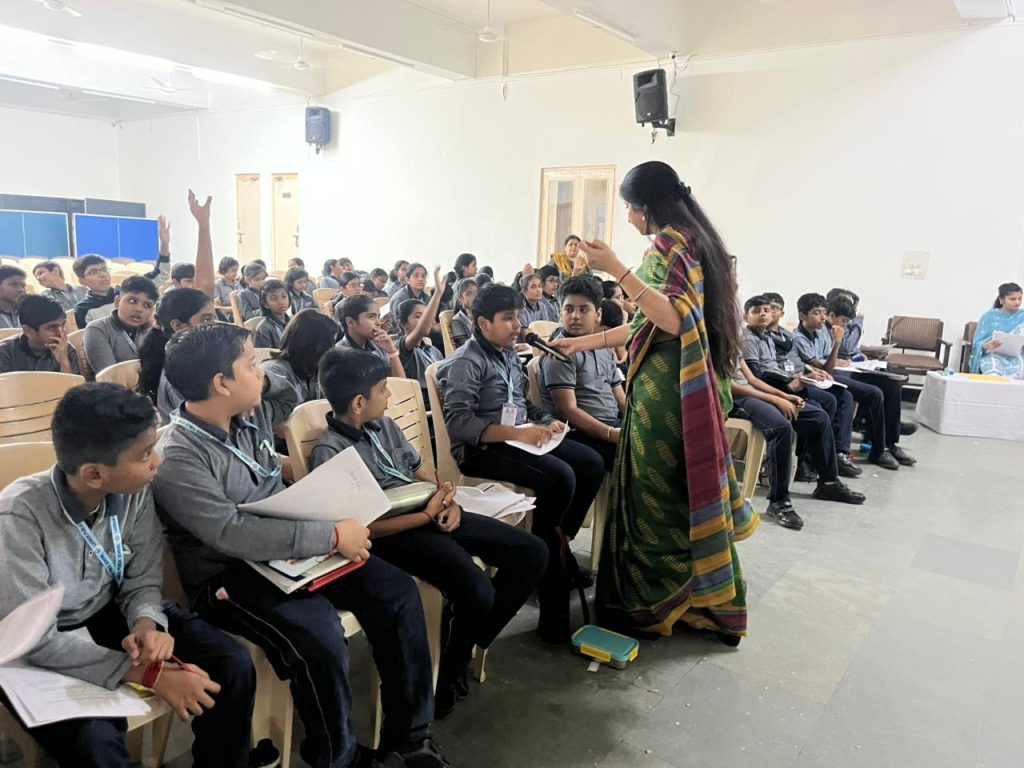
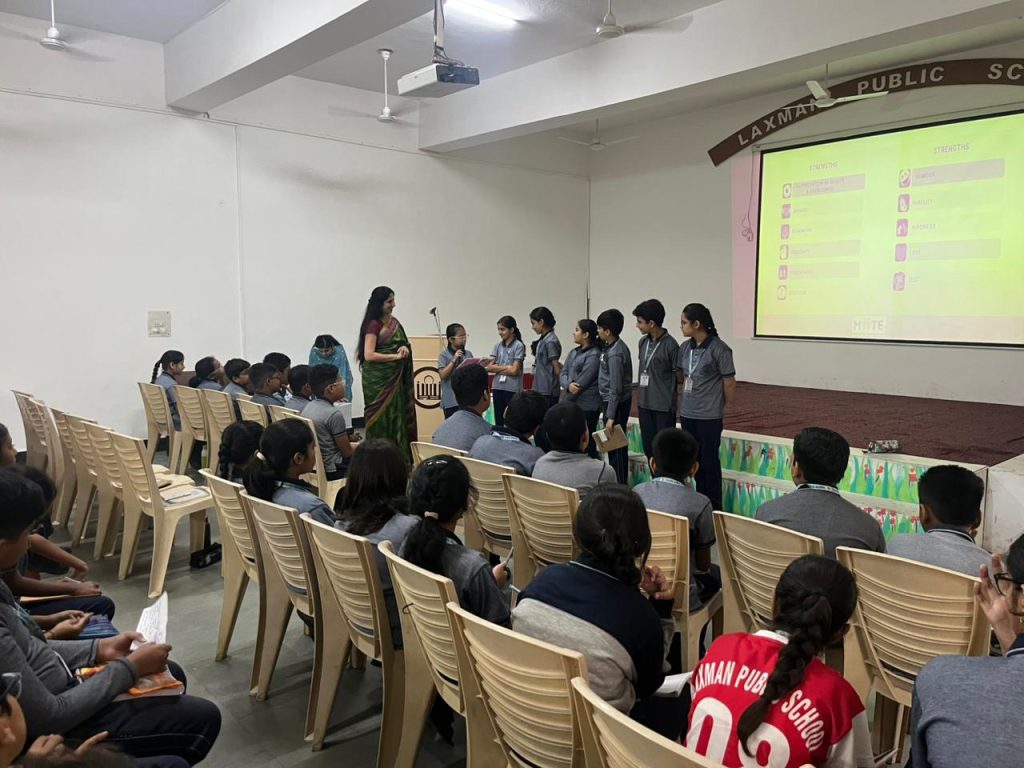
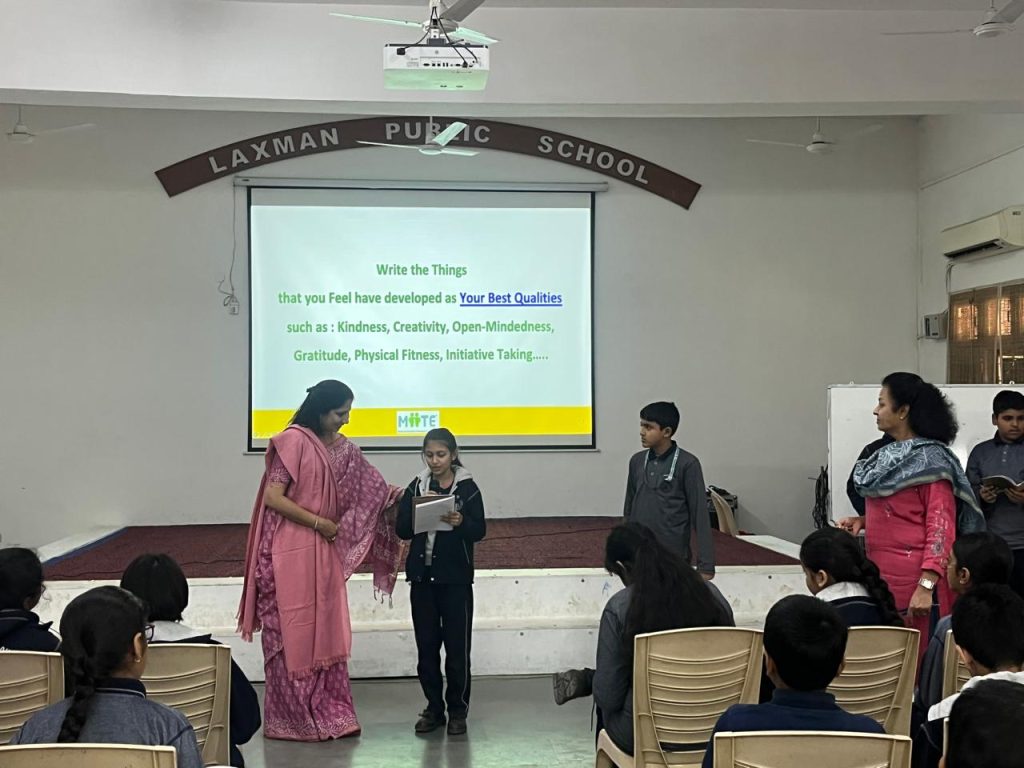
In alignment with the CBSE–AIIMS MATE (Mind Activation Through Education) Programme, Laxman Public School undertook a comprehensive, age-appropriate mental health intervention for students of Grades VI, VII and VIII during the academic session 2025–26. The programme was thoughtfully designed to address the evolving emotional, psychological and social needs of adolescents, while simultaneously empowering parents to become informed and responsive stakeholders in their children’s mental well-being.
The workshops were structured as a progressive series, ensuring continuity, depth and reinforcement of learning. Each session blended awareness-building with experiential learning, enabling students to reflect, relate and internalise key concepts essential for healthy development in today’s complex academic, social and digital landscape.
Objectives of the Programme
The primary objectives of the CBSE–AIIMS MATE Programme were to:
- Promote mental health literacy and emotional awareness among middle school students
- Strengthen self-esteem, empathy, resilience and interpersonal skills
- Encourage adoption of healthy lifestyle practices for optimal mind–body balance
- Foster responsible digital behaviour and informed decision-making
- Equip parents with insights and strategies to support adolescent mental health at home
DETAILS OF WORKSHOPS CONDUCTED
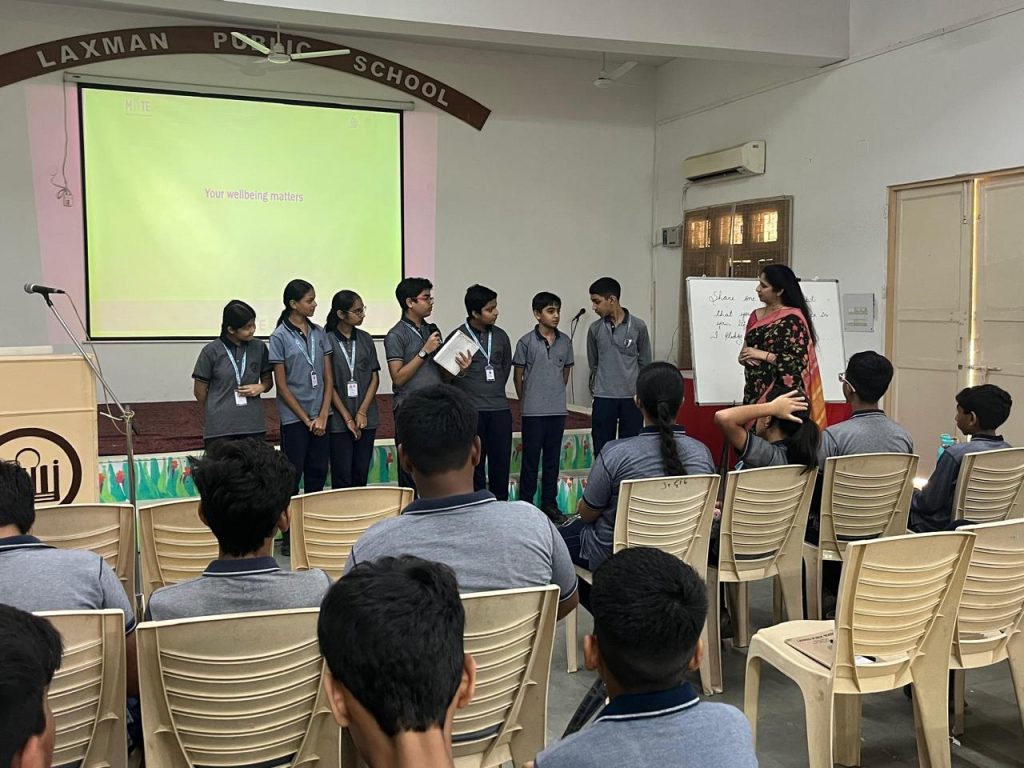
Workshop 1: Unboxing Health and Well-being
Grades VI, VII &VIII | 28, 29 & 31 October 2025
Overview:
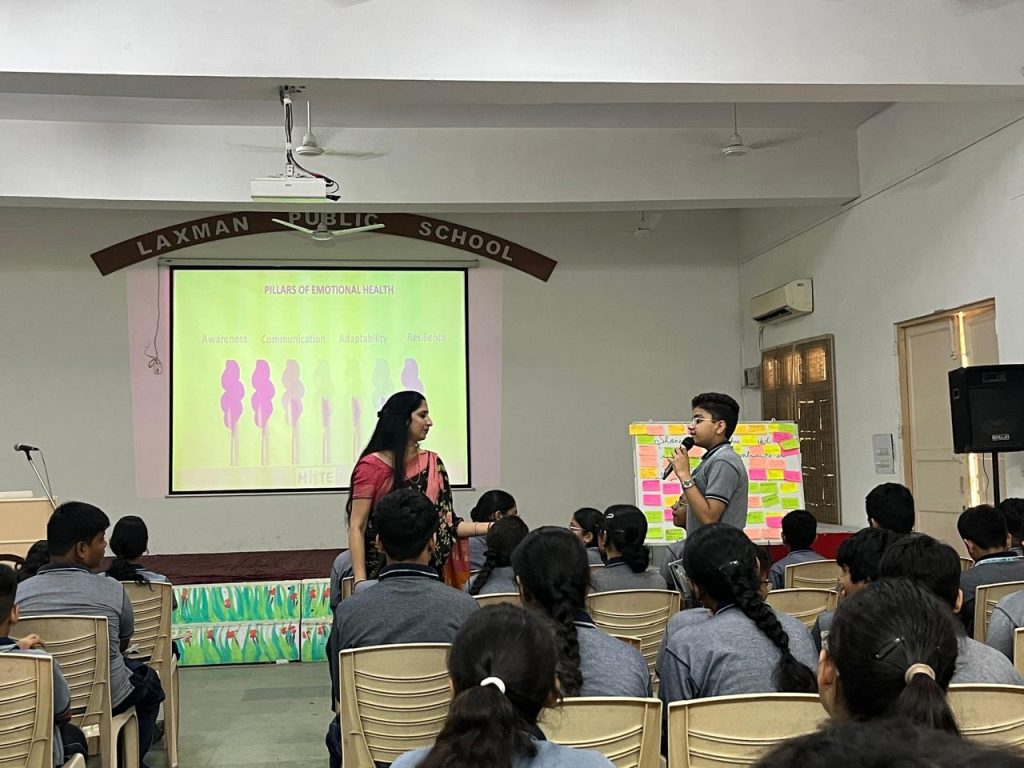
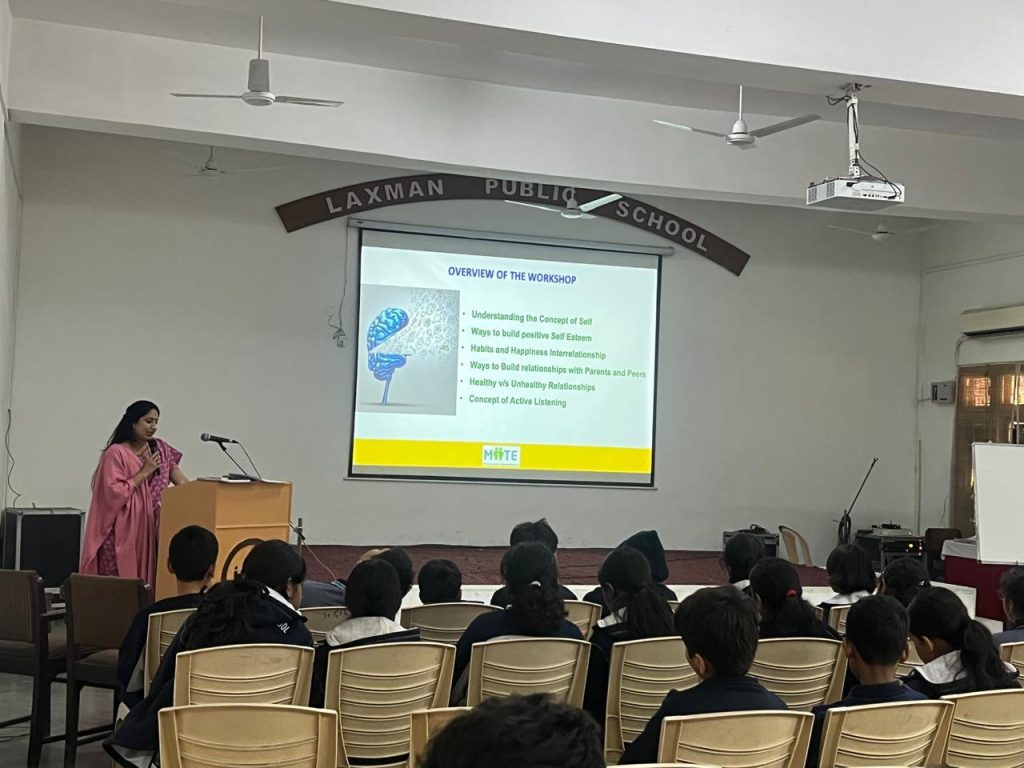
This introductory workshop laid the foundation for the entire MATE programme by broadening students’ understanding of health and wellness beyond physical fitness. Emphasis was placed on the interconnectedness of physical, emotional, social and mental well-being.
Key Themes:
- Holistic health and self-care
- Emotional awareness and stress signals
- Daily habits influencing well-being
Methodology:
Interactive discussions, reflection prompts, relatable examples and structured classroom conversations were used to ensure active participation.
Outcome:
Students demonstrated enhanced awareness of emotional health and showed increased willingness to articulate feelings, recognise stressors and reflect on personal habits affecting their overall well-being.
Parents’ Orientation Workshop
Grade: VI–VIII
Date: 11 November 2025
Overview:
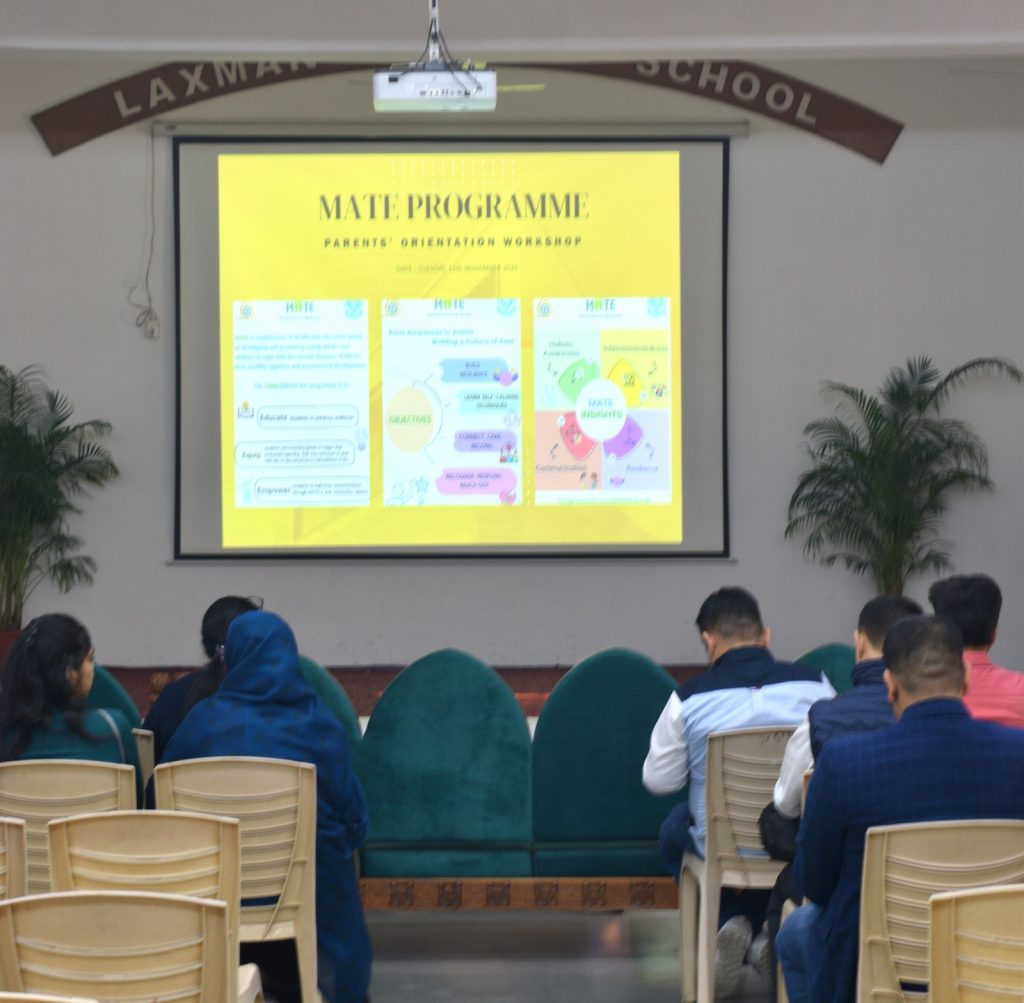
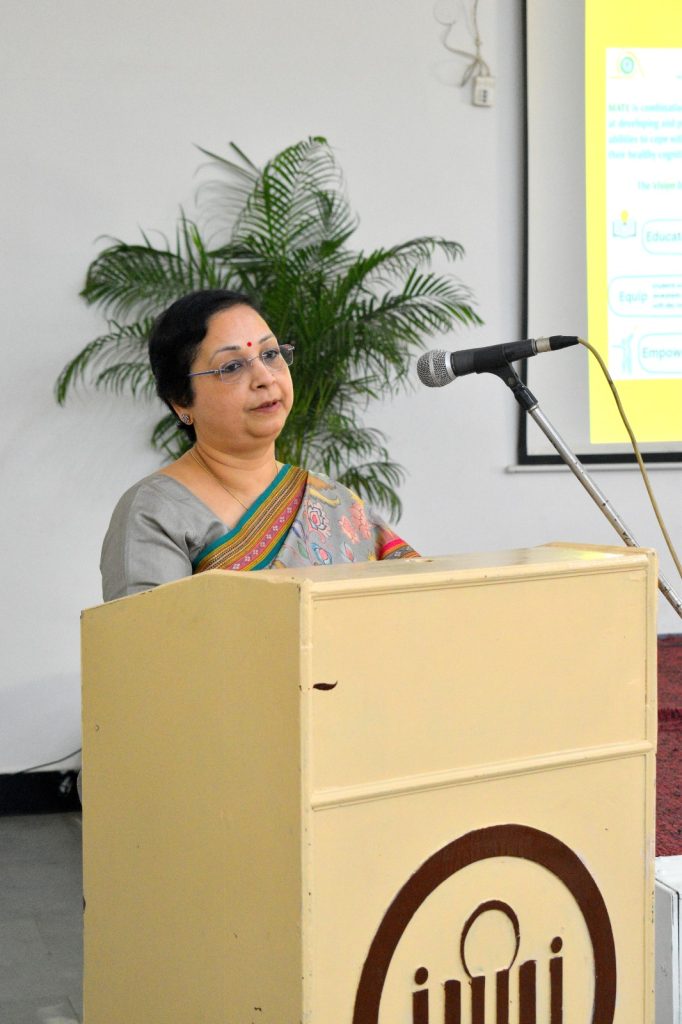
The orientation workshop introduced parents to the vision, structure and significance of the CBSE–AIIMS MATE Programme. It focused on strengthening the school–parent partnership in promoting students’ emotional and psychological health.
Key Themes:
- Understanding adolescence and developmental changes
- Role of parents in emotional regulation and support
- Overview of upcoming student workshops
Outcome:
Parents appreciated the proactive initiative and gained clarity regarding the programme’s objectives, content flow and relevance in addressing contemporary adolescent challenges.
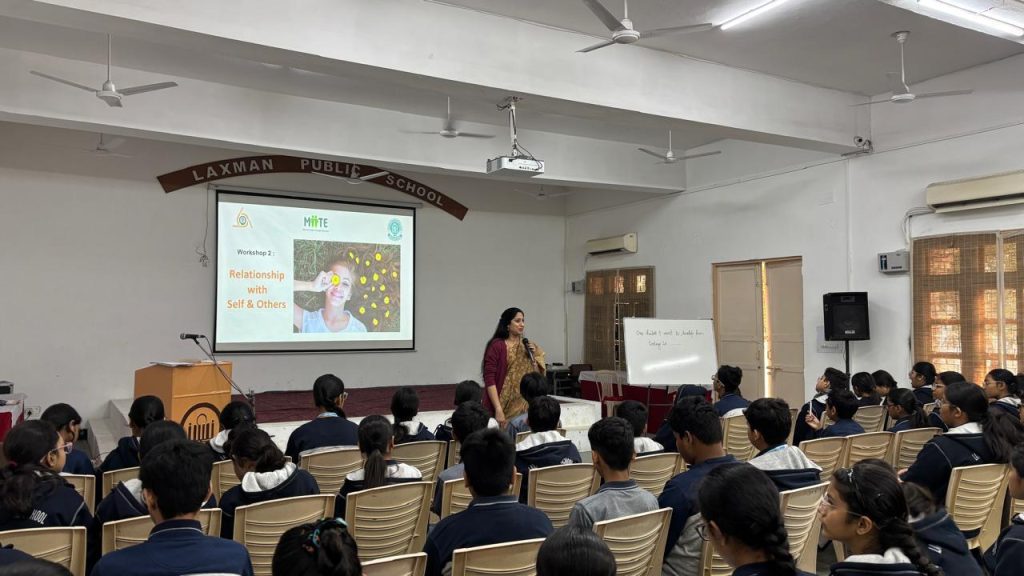
Workshop 2: Relationship with Self and Others
Grades VI, VII &VIII | 18, 20 & 21 November 2025
Overview:
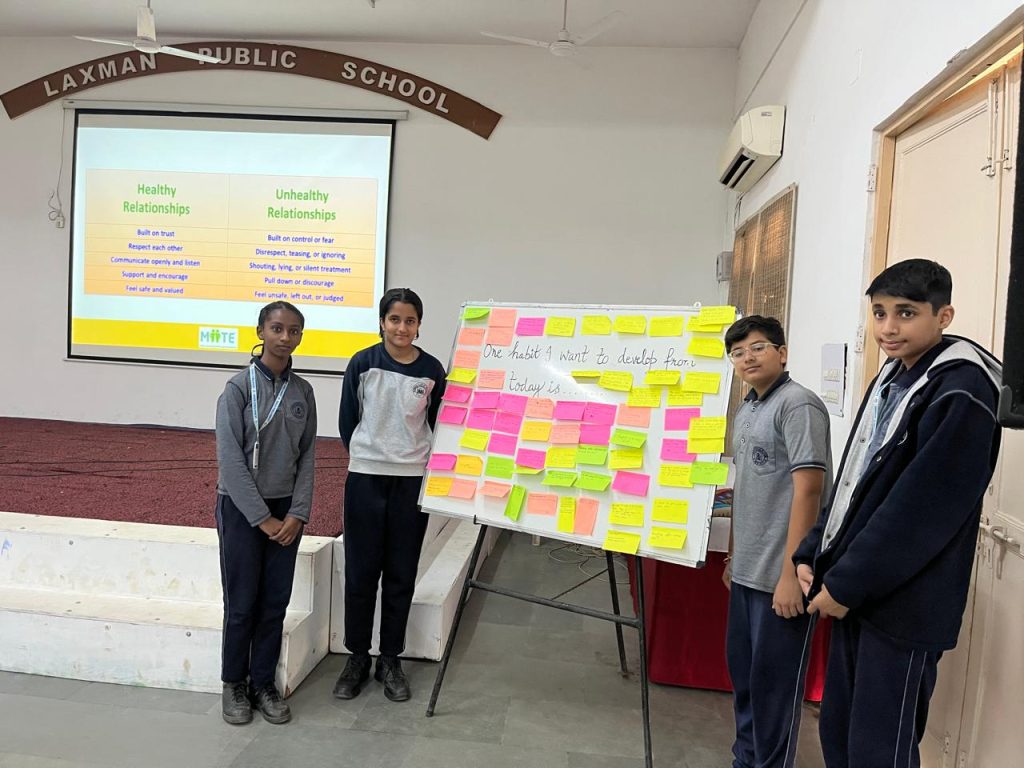
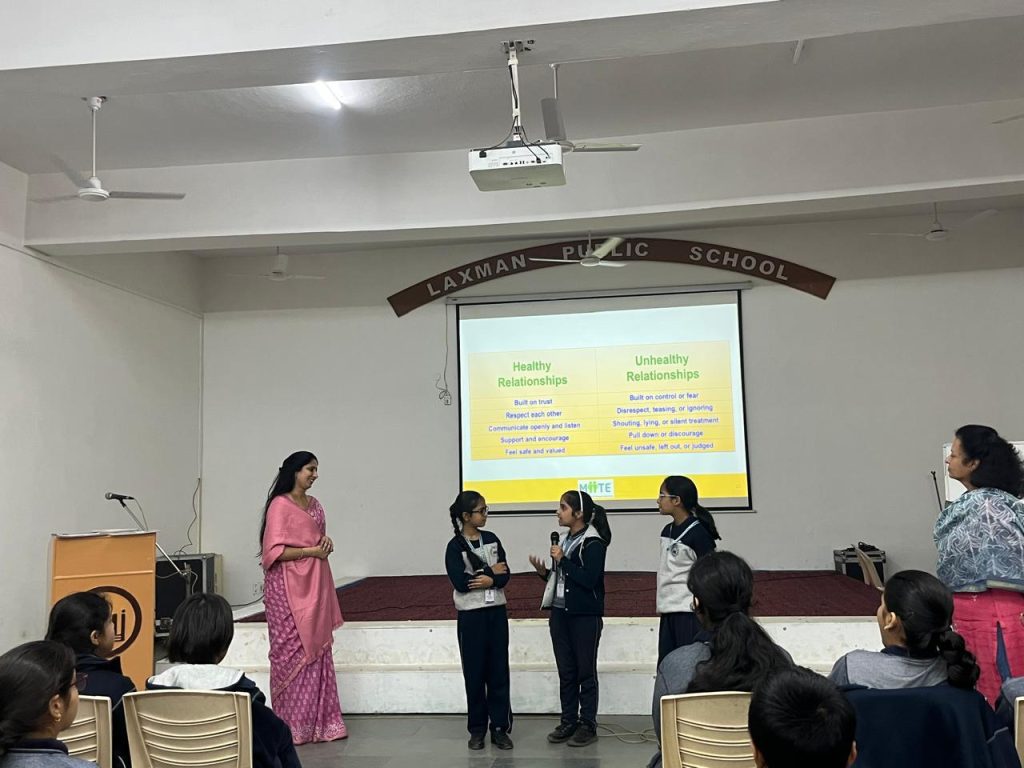
This workshop focused on nurturing healthy self-identity and positive interpersonal relationships. Students were guided to explore self-esteem, empathy, boundaries and respectful communication.
Key Themes:
- Relationship with self: self-worth and self-respect
- Peer relationships and empathy
- Managing conflicts and peer pressure
Methodology:
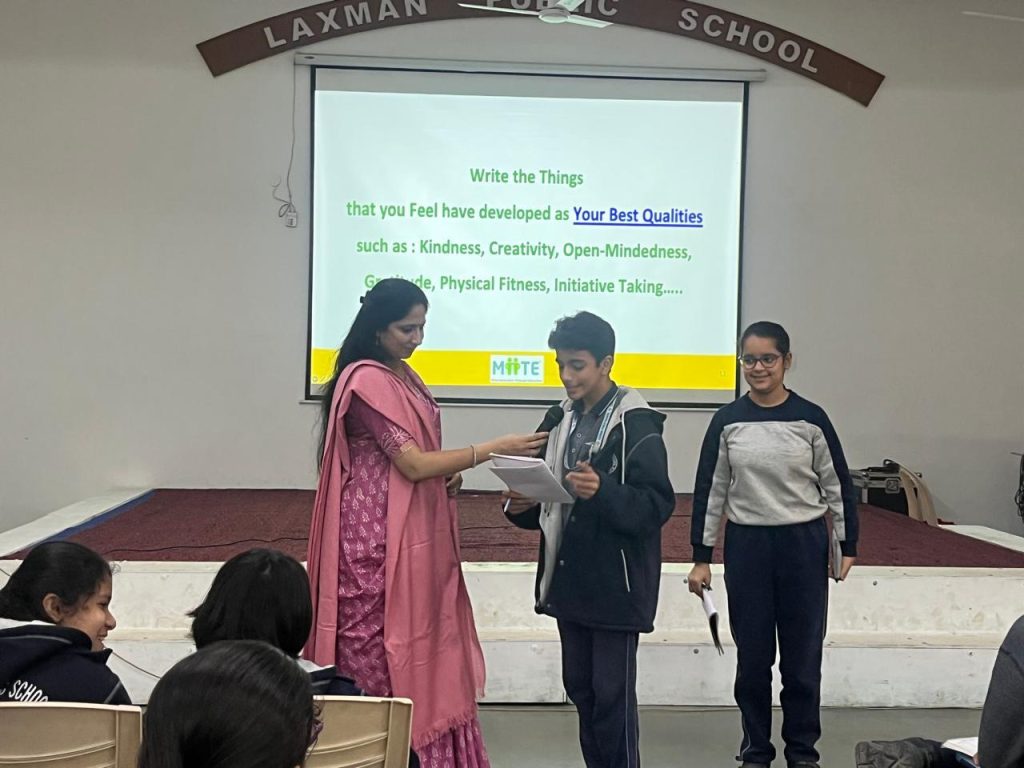
Case studies, role plays, guided discussions and reflective exercises enabled students to connect concepts with real-life situations.
Outcome:
Students displayed improved understanding of emotional boundaries, respectful interactions and the importance of empathy in sustaining healthy relationships.
Parents’ Workshops (Grade-wise)
Dates:
- 25 November 2025 – Grade VI
- 27 November 2025 – Grade VII
- 28 November 2025 – Grade VIII
- 16 December 2025 – Grade VII
- 22 January 2026 – Grade VII–VIII
Overview:
These sessions were designed to address parenting concerns specific to each grade level, with a focus on communication, discipline, emotional validation and navigating the digital world.
Key Themes:
- Understanding adolescent behaviour and emotions
- Effective communication strategies
- Supporting children in a digitally driven environment
Outcome:
Although attendance ranged between small groups, parental engagement remained high. The intimate setting encouraged meaningful dialogue, sharing of personal experiences and collaborative problem-solving. Parents acknowledged the relevance of the sessions not only for their children’s growth but also for their own emotional awareness and parenting practices.
Workshop 3: Healthy Brain and Lifestyle Awareness
Grade VI – Happy Gut, Healthy Brain
Date: 9 December 2025
- Understanding the gut–brain connection
- Importance of nutrition, sleep and routine
Grade VII – Healthy Lifestyle, Healthy Brain
Date: 11 December 2025
- Lifestyle choices and emotional regulation
- Stress management through healthy habits
Grade VIII – Gut, Brain, Abuse and Lifestyle
Date: 12 December 2025
- Awareness of abuse and unsafe situations
- Impact of lifestyle choices on mental health
- Importance of seeking help and support
Outcome:
Students gained age-appropriate, scientifically grounded understanding of how lifestyle factors influence mental well-being and were sensitised to issues of safety, consent and support systems.
Workshop 4: Power of Choice Series
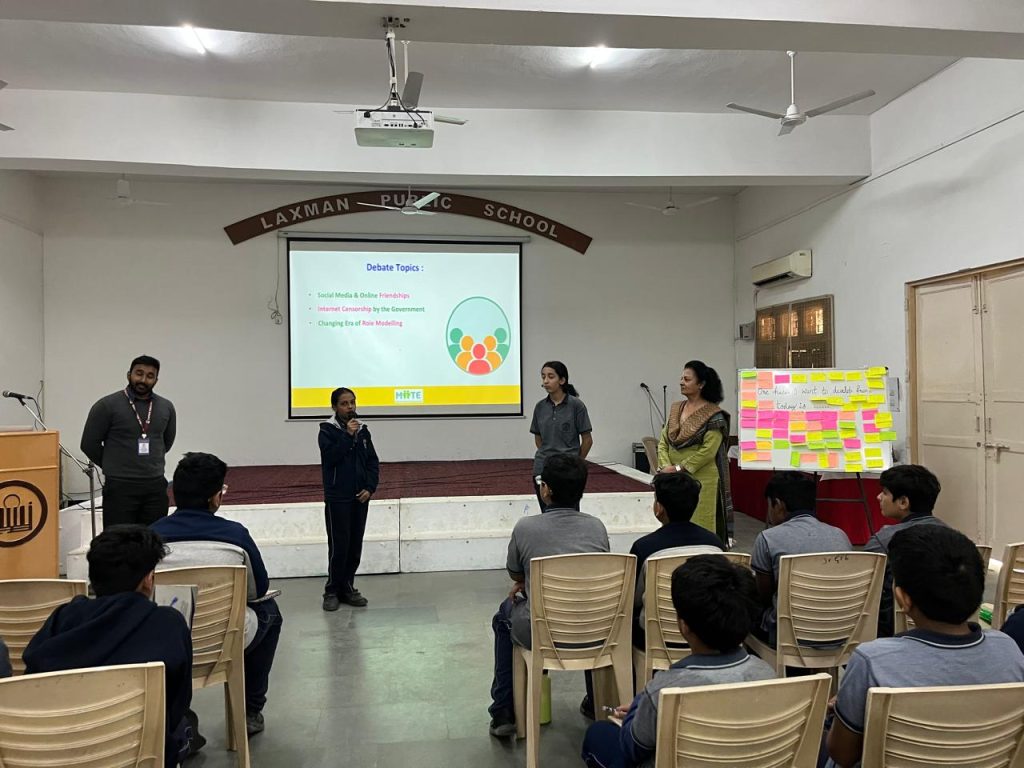
Grade VI – Power of Choice in the Digital World
Date: 15 January 2026
- Understanding digital habits and screen usage
- Concept of digital overuse and its consequences
- Making safe and mindful online choices
Grade VII – Power of Choice and Channelization
Date: 16 January 2026
- Decision-making skills
- Channelising emotions and energy constructively
- Responsible use of digital platforms
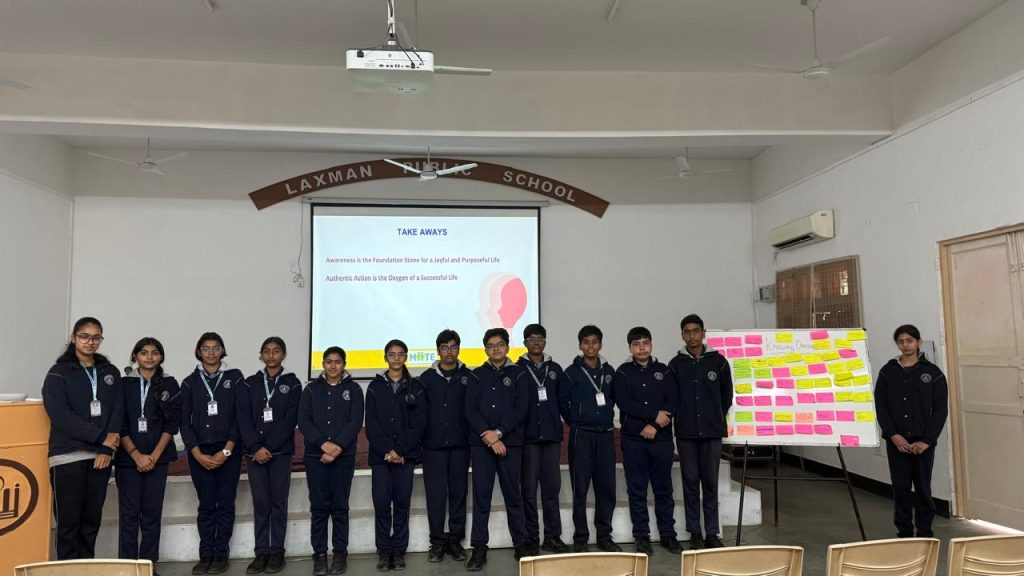
Grade VIII – Power of 3 A’s (Awareness, Acceptance and Action)
Date: 27 January 2026
- Developing self-awareness and accountability
- Accepting emotions and real-life challenges
- Translating insight into responsible action
Outcome:
The sessions significantly enhanced students’ ability to reflect on choices, understand consequences and practise self-regulation, particularly in the context of digital behaviour and personal responsibility.
Overall Observations
- Students across all grades exhibited high levels of engagement and receptivity.
- The progressive structure of the programme ensured continuity and reinforcement of learning.
- Interactive methodologies such as case studies, reflection exercises and discussions were especially impactful.
- Parent workshops, though limited in attendance, were rich in depth and effectiveness.
Conclusion
The successful implementation of the CBSE–AIIMS MATE Programme (2025–26) at Laxman Public School reflects the institution’s strong commitment to holistic education and student well-being. The programme played a pivotal role in nurturing emotionally aware, resilient and responsible learners, while empowering parents to actively support their children’s mental health journey. The initiative stands as a meaningful step towards creating a compassionate, informed and mentally healthy school community.
The programme was effectively guided by the visionary leadership of the Principal, Ms. Seema Bharti Mishra, whose strong commitment to student well-being and holistic education played a defining role in the success of the CBSE–AIIMS MATE Programme. Her proactive approach, thoughtful guidance and consistent encouragement ensured that mental health education remained an institutional priority throughout the academic session. By fostering a supportive and inclusive school culture, she enabled the seamless integration of the programme into the school’s academic framework, while motivating teachers, parents and students to engage meaningfully with its objectives.
The active participation and positive response of parents further strengthened the programme’s impact, fostering a collaborative school–home partnership focused on adolescent emotional and psychological well-being. Equally commendable was the enthusiastic engagement and receptiveness of students across Grades VI, VII and VIII, which contributed greatly to the success of the initiative. The sessions were conceptualised and conducted by the Resource Person, Ms. Dimple Vij, School Counsellor, whose professional expertise, empathetic approach and interactive methodology created a safe, reflective and empowering learning environment for both students and parents. Overall, the CBSE–AIIMS MATE Programme stands as a meaningful and impactful initiative towards building a compassionate, informed and mentally healthy school community.